
Key Takeaways
• Pleat consistency affects usable filtration area, pack stability, and how reliably a finished element fits into its intended assembly.
• Heavy-duty media places more demand on feeding, folding, and material control than a uniform lightweight sheet.
• The right pleating method depends on the media, the product range, and the level of production flexibility required.
• Buyers get better results when they define their material mix and finished-filter requirements before choosing equipment.
Why Pleat Consistency Matters in Filter Production
Filtration Area and Product Performance
A pleated filter pack creates more working surface within a compact space. That benefit depends on folds staying even from one side of the pack to the other. If some pleats are shallow while others are compressed, the media no longer uses the available space evenly. Air or fluid can then take easier paths through the pack, while tightly packed areas may restrict flow or collect contaminants too quickly.
Consistency also makes later assembly easier. A stable pleated pack is simpler to cut, bond, seal, or fit into a frame or cartridge. When fold geometry varies, operators may need to correct defects downstream. Those small interruptions can add up in a busy production schedule.
Why Uneven Pleats Create Production Problems
Uneven folds are not always obvious while material is moving through a machine. They often become visible after the pack is released, trimmed, or installed. Common signs include leaning pleats, irregular spacing, opened fold lines, material drift, or a pack that does not hold its intended shape. The best response is to trace the issue back to the material and the folding process rather than treating every defect as a final inspection problem.
What Makes Heavy-Duty Filter Media Harder to Pleat
Material Thickness and Stiffness
Filter media does not behave like a simple sheet of office paper. Some grades bend readily, while others resist folding and try to spring back after the forming action. A stiffer material can require more controlled force to create a clean fold. It can also transfer more load to the feeding and folding parts of the machine. For this reason, the characteristics of the media should guide the choice of pleating equipment from the beginning.
Feeding Tension and Alignment
A good fold begins with stable feeding. Material that enters off-center or under uneven tension can shift before the fold is formed. The result may be a skewed pack even when the folding action itself is accurate. Roll condition, guide alignment, tension settings, and the way a roll is prepared all deserve attention. Operators should also watch whether the media changes behavior as the roll diameter decreases.
Pleat Height, Pitch, and Repeatability
Pleat height and pitch must work together. A tall pleat with tight spacing can increase the risk of crowding, while a short pleat with wide spacing may use less of the available filter area. The most suitable geometry depends on the media and the finished filter design. Repeatability matters more than chasing the most aggressive setting. A process that produces stable, usable packs is usually more valuable than one that looks fast during a short trial run.
| Observed issue | Likely process cause | Effect on the finished pack | What to check |
| Leaning pleats | Uneven feeding or guide misalignment | Irregular pack shape and difficult assembly | Material tracking and guide position |
| Opened fold lines | Media resists the fold or forming force is not well matched | Reduced pack stability | Material behavior and folding setup |
| Compressed sections | Pitch is too tight for the selected media | Restricted flow paths and uneven spacing | Pleat geometry and release behavior |
| Changing fold quality during a run | Tension changes or wear affects contact points | More rejects and inconsistent output | Roll handling, tension, and routine maintenance |
How Knife Pleating Supports More Stable Folding
The Role of a Rigid Machine Structure
A knife pleating method forms material through a controlled folding action. For demanding media, the stability of that action matters as much as the motion itself. A rigid structure helps the machine maintain its intended geometry during repeated production. It gives the operator a more dependable base for setting up material that is thicker, stiffer, or less forgiving than standard lightweight media.
Keeping Pleat Geometry More Consistent
Knife-based folding gives manufacturers a practical way to manage jobs that require close attention to fold shape. The goal is not simply to make a crease. It is to produce a pack with a repeatable pattern that remains stable after handling. Good process control combines suitable material preparation with clean tooling, accurate alignment, and settings that match the job rather than a generic production target.
Adjusting the Process for Different Filter Media
Many factories do not run one material all day. They may handle different paper grades, non-woven media, or support layers as their product mix changes. In this situation, flexible pleating machines can make changeovers easier to manage. The operator still needs a disciplined setup process, because a setting that works for one material may not suit the next. Documenting successful job settings can reduce trial-and-error when a familiar order returns.
Common Applications for Heavy-Duty Pleating Equipment
Industrial Air Filtration
Industrial air filters often need a stable media pack that can tolerate handling, framing, and continuous service. Pleat quality influences both the appearance of the filter and the way the media is supported inside the finished product. Manufacturers serving this market commonly need air filter machines with enough flexibility to work with several filter designs rather than one fixed format.
Dust Collection and Cartridge Filters
Dust-collection products can place strong demands on pack strength and shape retention. The media must be folded into a consistent pattern before the element reaches later stages of assembly. A well-controlled pleating process helps the manufacturer deliver packs that are easier to handle and more uniform from batch to batch.
Automotive and Heavy-Duty Filter Elements
Automotive and heavy-duty filter elements often involve tight packaging requirements and repeated production. The folding process must support a reliable fit within the selected element design. When material types or finished dimensions vary across orders, production teams benefit from filter equipment that can be configured carefully for each job.
What Buyers Should Check Before Choosing Pleating Machines
Choosing pleating machines should begin with the real production plan, not with a single headline figure. The following questions help buyers compare options on a more useful basis.
• Which media types will run most often, and which materials are only occasional jobs?
• What finished filter designs, pleat heights, widths, and pack shapes must the line support?
• How often will the factory change between materials or product formats?
• What level of operator adjustment, process control, and maintenance support is practical for the team?
• Which sample materials should be used during a trial to confirm the expected fold quality?
Matching the Machine to the Material
A machine should be selected for the material that creates the greatest production challenge, not only for the easiest job in the range. Buyers should describe the media clearly and provide representative samples when possible. This gives both sides a better foundation for discussing the folding method, the setup requirements, and the expected finished result. A general-purpose paper folding machine may be suitable for a straightforward, lightweight job, but more demanding media can call for a different level of mechanical support.
Matching Output to Production Planning
Output should be considered in the context of the whole line. The pleating stage has to work with feeding, cutting, bonding, inspection, and assembly. A faster folding stage does not automatically improve total output if downstream work cannot keep pace. Buyers should therefore review the entire workflow and identify where stable, repeatable production will have the greatest effect.
Looking Beyond the Initial Equipment Price
Purchase price matters, but it is only one part of the decision. Setup time, material waste, operator workload, spare-part planning, and maintenance access can influence the long-term cost of a line. Clear technical communication before ordering helps avoid a machine that looks suitable on paper but does not match the daily mix of materials and products.
A Strengthened Knife Pleating Machine for Demanding Filter Production
Reinforced Design for Stable Daily Production
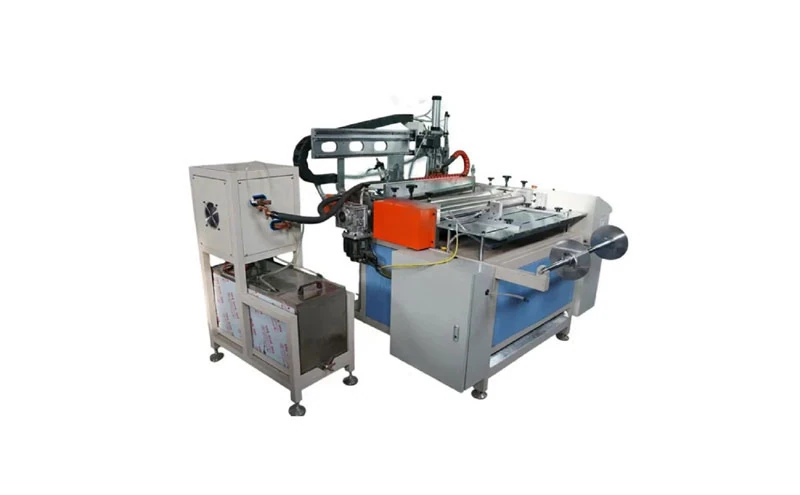
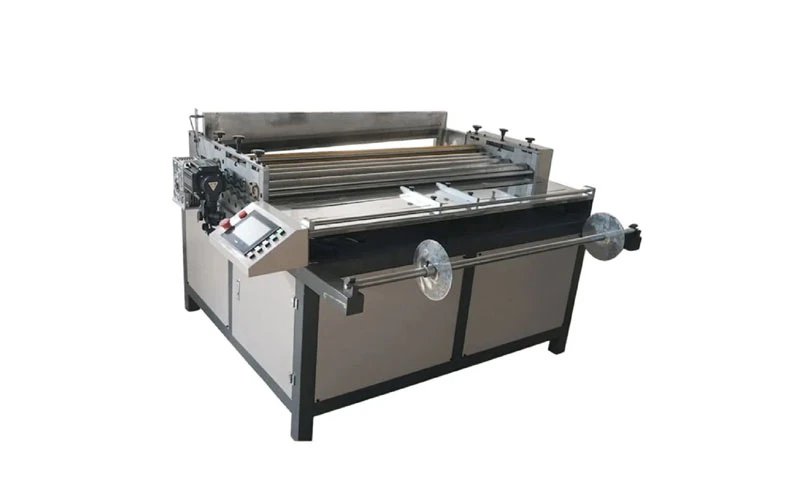
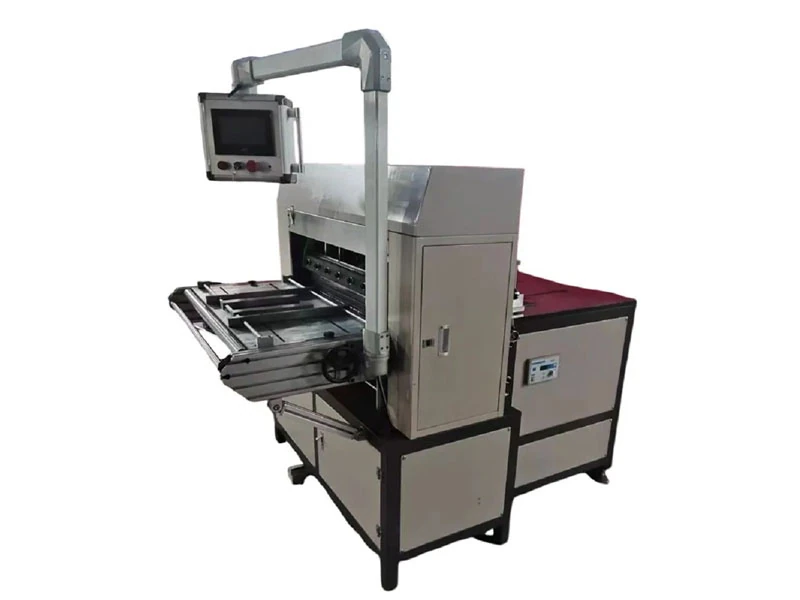
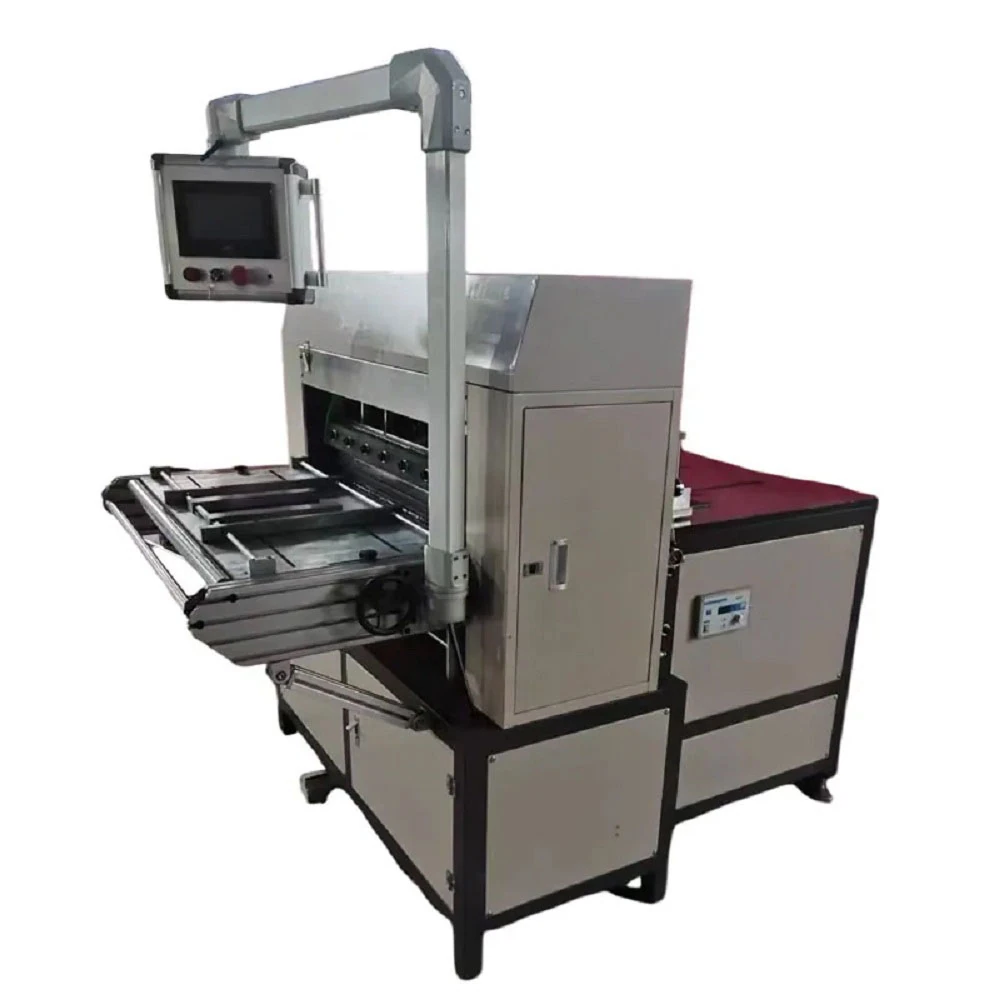
Fupei offers a Heavy-Duty Strengthened Knife Pleating Machine for Filter Media for manufacturers that need dependable folding across demanding filter-production jobs. Its strengthened knife-holding structure is intended to support stable pleat formation when the material places more load on the folding process. The machine uses a 2.8 kW motor and is positioned for work involving rigid filter materials as well as mixed-media production requirements.
Flexible Use Across Different Filter-Media Jobs
For factories that need to manage a varied production schedule, the machine can provide a practical foundation for planned setup changes. It is suited to jobs involving rigid mesh materials and can also process suitable filter paper and non-woven media. The best result comes from confirming the media, finished design, and production target before configuration, so the folding process is matched to the intended application.
Key Machine Information for Project Planning
| Item | Information for planning |
| Machine type | Strengthened knife pleating machine for filter media |
| Motor power | 2.8 kW |
| Core production focus | Suitable applications should be confirmed based on material samples and production requirements. |
| Compatible media scope | Media compatibility is best confirmed through material sample trials before configuration. |
| Configuration approach | Confirm material, finished-filter design, and production needs before final setup |
Frequently Asked Questions
What causes uneven pleats in filter media?
Uneven pleats can result from unstable feeding, material drift, unsuitable tension, poor alignment, or settings that do not match the behavior of the media. The finished defect may appear at the folding stage or after the material is released. Reviewing the material path and the forming setup together usually gives a clearer answer than changing only one setting.
How does a knife pleating machine improve fold consistency?
A knife pleating machine uses a controlled folding action that can be adjusted for the job. When the machine structure, material feeding, and setup are all stable, the process can help form more repeatable pleat geometry. The final outcome still depends on using settings and tooling that suit the selected media.
What should buyers confirm before selecting filter machinery?
Buyers should confirm the material types, finished-filter dimensions, desired pleat geometry, expected production schedule, and changeover needs. They should also discuss how samples will be tested and what support is needed for installation, operation, and maintenance. These details make it easier to choose filter machinery that fits the real job.
Can one pleating machine support different filter applications?
One machine can support different applications when its design and setup range match the materials and product formats involved. However, not every machine is the best fit for every material. Manufacturers should evaluate their regular production mix and give priority to the jobs that place the highest demand on fold stability.
Conclusion
Consistent pleating begins with a clear view of the media, the finished filter, and the production plan. Stable feeding, sensible pleat geometry, and a suitable folding method all contribute to a more reliable pack. For demanding filter-media jobs, a strengthened knife pleating approach can offer the control and structural support needed for repeatable daily production. Contact Fupei to discuss a configuration that fits your filter-production requirements.