
Key Takeaways
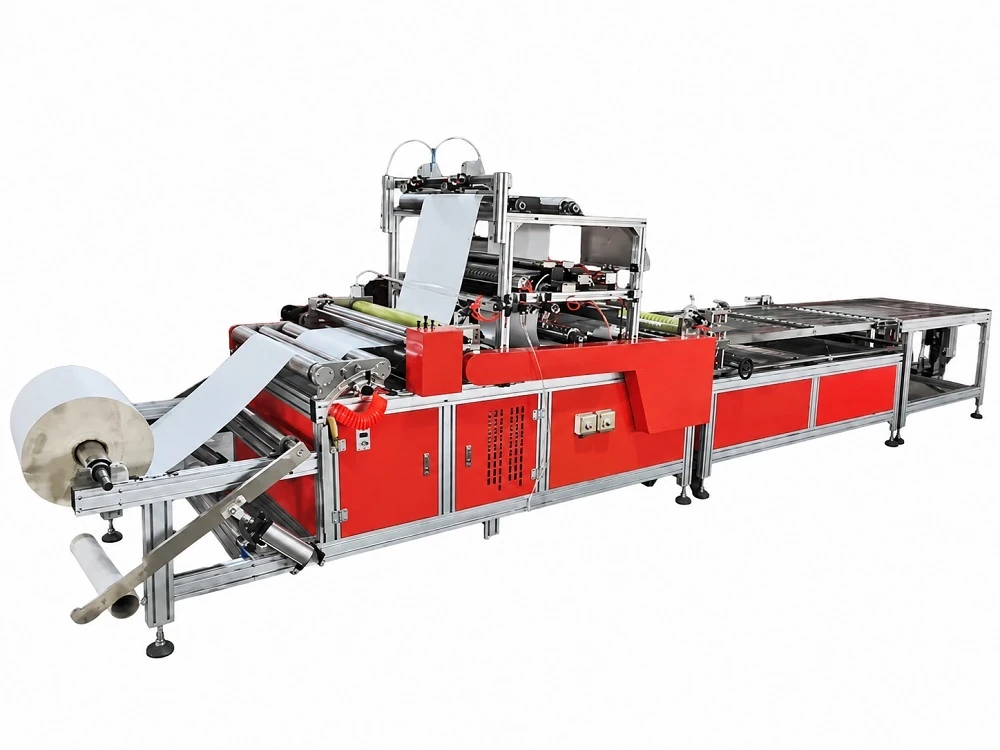
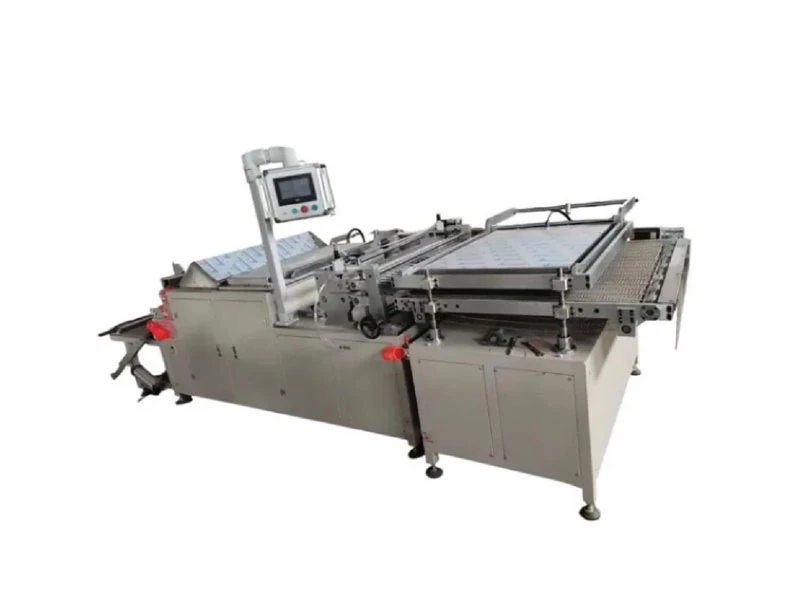
- A knife pleater folds with a blade, so pleat height changes by adjusting the machine, not by changing a roller set.
- Pleat height sets both how much media goes into an element and how much paper leaves the roll.
- The media sets the limit. No setting can fold a grade further than the fibre allows.
- Feed tension decides whether the same pleat repeats all shift, and most scrap starts there.
- Output is a rate times a yield, and the machine only supplies the rate.
Two plants can buy the same pleating machine and still report very different output from one shift. The machine is identical, the speed figure is identical, and the operators are not the problem. The difference sits in three settings, and they work in a fixed order. The media sets the limit of what is possible. Pleat height picks a shape inside that limit. Feed tension decides whether the shape repeats on every element. A blade can only finish what those three allow, which is why one model can behave like two different machines.
Pleat Height: How Much Media Goes In, How Much Comes Out
The machine does one thing to the paper. It changes the shape. Filter surface area comes from that shape, and so does the paper bill.
Three numbers describe a fold. Pleat height is the depth of one fold. Pitch is the distance from one crease to the next. Count is how many folds fit across the pack. Change one and the other two move with it, so height is never a free choice.
The arithmetic is simple. Each pleat uses twice its height in paper, because the media runs up one side and down the other. A 300 mm pack at a 6 mm pitch holds fifty pleats. At 30 mm, that element needs about three metres of media. At 45 mm, the same element needs four and a half. Every extra millimetre buys surface area and spends paper at the same time.
Why Taller Is Not Automatically Better
A deeper pleat adds media. It does not always add usable filter. When the pitch is tight, the fold legs sit almost against each other, air cannot reach the base, and the tips do most of the work. Pressure drop rises while dust capacity stays flat. Widen the pitch and the pleat count falls, which gives back some of the area you just bought.
The setting that works keeps dust moving down the pleat with the media loaded evenly. For most panel and automotive work, that lands in the middle of the range.
| Pleat height | Typical element | Media behaviour | What to watch |
| 5–12 mm | Compact panel and small-engine filters | Thin cellulose, low stiffness | Tight pitch limits dust travel; check pressure drop |
| 12–25 mm | Automotive cabin and engine filters, 1-inch HVAC panels | Standard cellulose grades | The most common band; settings repeat well |
| 25–40 mm | Heavy-duty panel and industrial air filters | Thicker non-woven, mesh-reinforced | Folds want to spring back; heat setting helps |
| 40–55 mm | Deep-pleat industrial and pre-filter elements | Stiff, multi-layer or supported media | Slow the cycle and check pleat squareness every batch |
This is also where output starts to move. At 100 pleats a minute, 30 mm pleats consume six metres of paper a minute and 10 mm pleats consume two. The pleat count per element has not changed, so the number of elements has not either. What changes is the cost of each one, and how hard the line can be pushed. Deep pleats need more heat and more dwell, and a machine that slows down to hold the crease makes fewer elements in a shift.
The Media: What the Machine Is Allowed to Do
Geometry decides the shape on the drawing. The material decides whether that shape survives the next station. This is the first hard limit on output, and no setting can move it.
Standard automotive filter paper is forgiving in one direction and fussy in another. It folds cleanly, holds a crease, and takes heat without complaint. What it will not take is force. Dry cellulose cracks along the fold line, and a crease pressed too hard loses the rounded edge that keeps fibres from shearing.
Lighter grades need less blade overlap. The fold closes on itself before the blade reaches full depth, so a setting copied from a heavier grade will crush the edge.
Non-woven and synthetic media behave differently. They spring back, so a fold that looks right at the blade can relax two or three millimetres before it reaches the plates. Wire mesh adds a second problem. It resists the fold and pushes back at the blade edge.
That is where layer capacity earns its place. Running a support layer with the media keeps both aligned and removes a separate combining step. A single-layer machine cannot be pushed into this work, and forcing it damages the blade.
Heat Works at the Crease, Not on the Material
Heated plates do one job. A warm fold line bends with less internal stress, so fibres crack less and tall pleats keep their shape after release.
The setting follows the material, never the other way round. Synthetic media with a low softening point, polypropylene in particular, needs the lower end of the 0–180 °C range and a shorter dwell. Run it hot and the fibre surface glazes, and the pleat loses the grip that holds it upright.
This is also why media sets the pace of a line. A grade that needs heat and dwell will never keep up with a plain cellulose web, whatever the blades are doing.
Feed Tension: Whether It Holds All Shift
Most pleat defects are made before the paper reaches the blade, and most of them are made at the feed. That makes tension the third limit, and the one that decides how much of the rate becomes saleable output.
Pull a roll by hand and the tension changes as the diameter shrinks. Pleat spacing drifts across a shift without anyone touching a setting, and the drift is easy to miss because every individual pleat still looks acceptable.
Pneumatic feed holds pressure steady, commonly around 0.6 MPa. The web advances at the same rate on the first metre of a roll and on the last. The pleat count at the end of a shift matches the count at the start.
Steady tension also keeps the web centred. A leaning pleat is usually a tracking problem, not a folding one, and the cheapest cure sits at the guide rollers rather than at the blade.
Blade wear is the quieter version of the same story. A worn edge still folds, which is why it goes unnoticed. The crease is ragged instead of crisp, and each batch holds its shape a little less reliably. By the time the defect shows in a finished element, several hundred may already be packed. Checking the edge at changeover costs a minute.
From 100 Pleats a Minute to 900 Elements a Shift
A quoted speed needs one more step before it means anything. At 100 pleats a minute, an element of fifty 30 mm pleats uses three metres of media. The line runs through six metres a minute and finishes about 900 of them across an eight-hour shift. At 45 mm the same fifty pleats need four and a half metres. The blade can still cycle a hundred times a minute, but the media, the heat and the take-off rarely hold that pace, so the shift total drops before anything breaks.
That 900 is a rate, not an output. It assumes the media behaves and the web stays centred. Let a stiff grade spring back, or let the feed drift half a millimetre, and part of that 900 becomes scrap.
Output is a rate multiplied by a yield, and only the rate comes from the machine. The yield comes from the three settings working together. It is also worth checking the rest of the line before buying a faster pleater, because on most floors the constraint sits downstream, at beading, cutting, framing or adhesive cure. Treat the air filter machines around the pleater as one system and find the slowest station first.
A Knife Pleating Machine Built Around Those Three Settings
Most plants do not run one product all year. They run a spread of panel, cabin and industrial elements, and they need filter manufacturing equipment that follows the schedule. Fupei builds its standard knife pleating machine for that working pattern, and each feature answers one of the limits above.
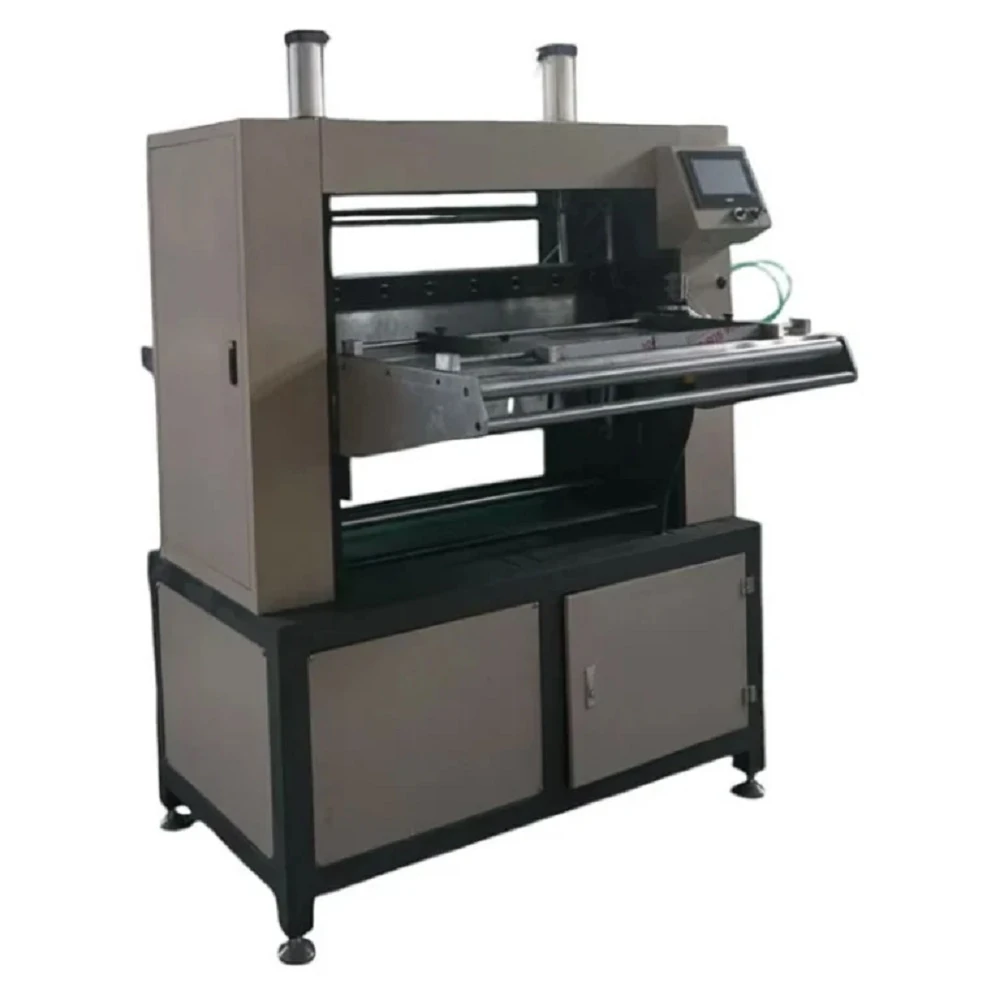
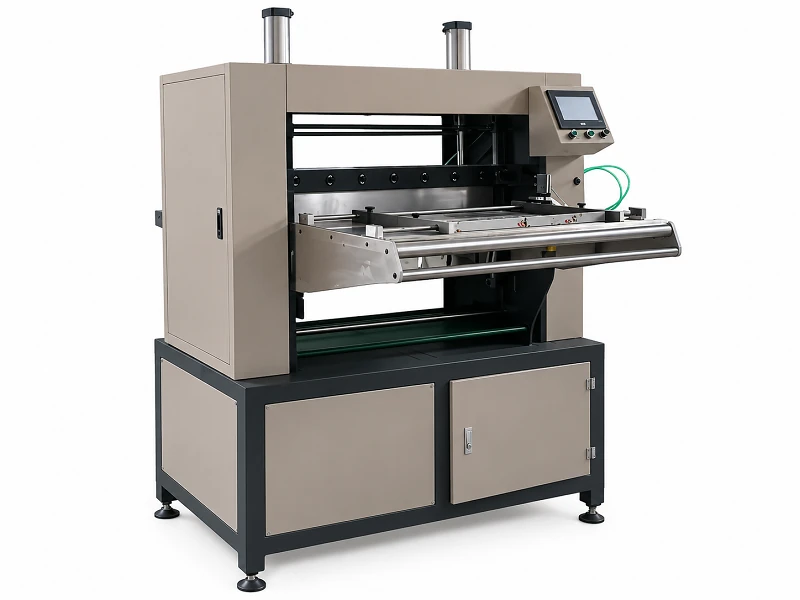
Pleat height adjusts from 5 mm to 55 mm without a tooling change, which covers thin compact panels through to deep industrial elements. A rotary pleating machine needs a new roller set the moment that height changes. That difference is why the adjustable range matters on mixed orders.
Seven layers run in a single pass, so supported and mesh-reinforced media go through as one operation instead of a separate combining step. Pneumatic feed at 0.6 MPa holds the web steady from the first metre of a roll to the last. A rigid steel alloy frame keeps the blade geometry from drifting when the machine runs all day.
| Item | Figure |
| Working width | 800 mm as standard; 1100, 1600, 2100 and 3000 mm available |
| Pleat height | 5–55 mm |
| Layers per pass | 1–7 |
| Folding speed | 100 pleats per minute |
| Pre-heat temperature | 0–180 °C, 7.5 kW heating power |
| Working air pressure | 0.6 MPa |
| Footprint | 1.3 × 1.5 × 1.5 m at standard width |
| Media | Filter paper, wire mesh, non-woven fabric |
| Warranty | One year |
Every unit is run on real filter paper before it leaves the factory. Electrical elements are configured for the destination market, whether 380V/50Hz, 220V/60Hz or 415V/50Hz, and each order ships with wiring diagrams and layout guidance.
Four details are worth settling before an order:
- The full spread of media in use, not only the easiest grade.
- Finished element dimensions, so working width and pleat range can be fixed with confidence.
- The pleat heights changed between most often, since that decides whether mechanical adjustment is enough.
- Sample rolls for a trial fold, because the material itself answers questions no email can.
Frequently Asked Questions
What is the difference between a knife pleating machine and a rotary pleating machine?
A rotary machine folds media between toothed rollers, which suits one pleat height at high speed. A knife machine folds with a moving blade, so the height stays adjustable and layers run together. Rotary wins on speed inside a format. Knife wins on variety.
What pleat height can a standard machine produce?
5 mm to 55 mm. Most production sits between 12 mm and 40 mm, because that band balances media area against airflow through the pleat. Depths beyond 40 mm work, but they slow the cycle and ask more of the media.
Can it pleat several layers at once?
Yes. A standard unit folds up to seven layers together, so supported and mesh-reinforced elements come off aligned and skip a separate combining stage.
Why do pleats lean or open up after folding?
Leaning usually starts at the feed, where uneven tension pulls the web off centre before the blade arrives. Pleats that open point to a crease that never set, either because the plates ran too cool or because blade overlap went deeper than the media could take.
Conclusion
Three settings settle the result, and they are not equal. The media comes first, because it decides which shapes are possible at all. Pleat height comes second, because it chooses one shape from that range. Feed tension comes last, because it decides whether the choice holds from the first element to the last. The blade only finishes what the three allow.
Taken in that order, the same three settings explain both the quoted rate and the yield behind it. They also explain why a machine with an adjustable height, several layers and steady feed keeps working across mixed orders.
Send a roll of the media you actually run, along with the dimensions of the finished element. The team can then recommend a working width and pleat range, and set up a trial fold on your own material.