
Selecting mesh for a hydraulic filter element is not simply a material choice. It affects pleat stability, corrosion resistance, manufacturing efficiency, service expectations, and final product cost.
Both epoxy coated wire mesh and stainless steel wire mesh can be used in filter construction. However, they often perform different roles. Understanding that difference helps filter manufacturers avoid over-specification, processing problems, and unsuitable material choices.
Key Takeaways
- Epoxy-coated mesh is commonly used as a structural support layer for pleated filter media.
- Stainless steel mesh may be a better choice when the mesh itself performs filtration or needs higher resistance to direct fluid exposure.
- Mesh count alone is not enough for material selection.
- Buyers should assess the whole filter element, including media, pressure conditions, process route, and required service life.
What Is Epoxy-Coated Mesh?
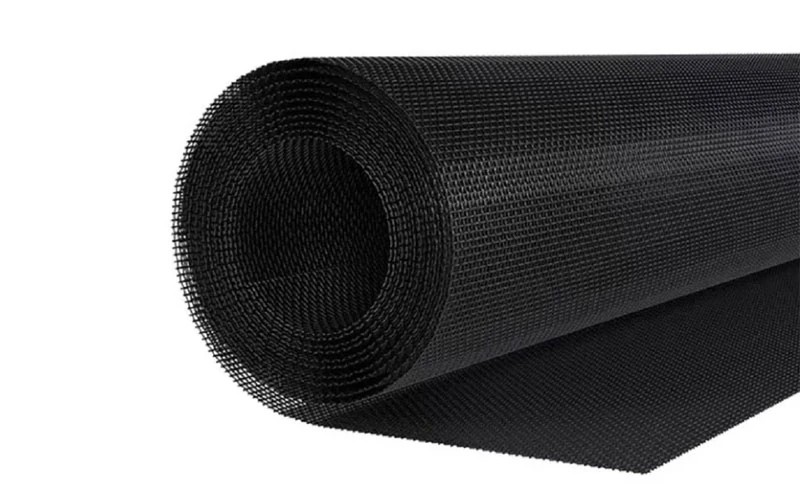
Epoxy-coated mesh is a type of filter wire mesh woven from metal and finished with a cured epoxy resin coating.In filtration applications, it is often used as a backing or support structure for pleated filter paper and synthetic media.
Main Use in Filter Elements
The mesh helps support the filter media during pleating, rolling, and assembly. In a hydraulic filter element, it can help the media keep its shape during operation.
The mesh is usually selected to complement the main filtration material rather than replace it.
What Buyers Should Check
Before purchasing, buyers should confirm:
- Base material
- Mesh count
- Wire diameter
- Coating color
- Coating adhesion and flexibility requirements
- Roll width and roll length
- Required slit width
- Filter-element diameter and pleat configuration
These details affect both filter performance and downstream manufacturability.
What Is Stainless Steel Wire Mesh?
Stainless steel wire mesh is woven from corrosion-resistant steel wire. Depending on its grade, weave, wire diameter, and opening size, it may function as a support layer, protective layer, or filtration surface.
Common Uses
Stainless steel mesh may be selected when the mesh is directly exposed to fluid, needs corrosion resistance, or is intended for a cleanable and reusable filter design.
However, stainless steel is not automatically the best choice for every filter element. It may add cost, and its mechanical behavior should still match the pleating, forming, and assembly process.
Comparison for Hydraulic Filter Design
| Selection Factor | Epoxy-Coated Mesh | Stainless Steel Mesh | Buyer Question |
| Typical role | Structural support or backing layer | Support, protection, or filtration surface | What is the mesh required to do? |
| Surface protection | Cured coating adds a protective layer | Depends on stainless grade and application | Will the mesh contact the operating fluid directly? |
| Pleating and forming | Often selected for stable support during forming | Depends on weave, wire diameter, and required shape | What pleat depth and element diameter are required? |
| Cleanability | Usually used in replaceable filter structures | May suit reusable or cleanable designs | Is the filter intended for replacement or reuse? |
| Cost approach | Often practical for support-layer applications | Material cost may be higher depending on grade | Is the priority initial cost, durability, or both? |
| Procurement focus | Coating, flexibility, dimensions, and slit-edge condition | Grade, weave, opening size, and corrosion requirements | Which parameters need approval before ordering? |
Why Mesh Selection Matters in Hydraulic Filters
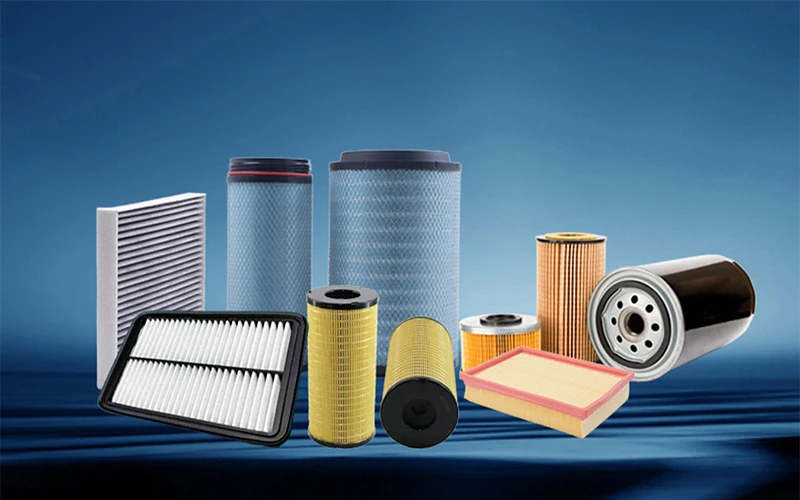
Hydraulic systems require clean fluid to help protect pumps, valves, cylinders, and other precision components. A filter element usually contains several materials that work together rather than independently.
The primary filter medium, such as cellulose paper, glass fiber, or synthetic media, is generally responsible for capturing contaminants. The mesh layer may support that medium, protect it during processing, maintain pleat spacing, or reinforce the finished filter element.
An unsuitable mesh can create issues at several stages:
- Pleated media may lose shape during forming or operation.
- Roll material may not run smoothly through slitting or pleating equipment.
- Cut edges may create processing difficulties during assembly.
- The support layer may not provide enough rigidity for the filter design.
- The material cost may exceed the actual needs of the application.
A reliable wire mesh selection process begins with the filter structure, not with a single mesh specification.
When Epoxy-Coated Mesh Is Usually the Better Fit
Best for Support Layers
Epoxy-coated mesh is often suitable when the filter element needs a stable structural layer behind the primary filtration media.
For hydraulic oil filters, the mesh may help support pleated media inside return-line, pressure-line, or lubrication filter elements. The goal is not to make the mesh the main filtration layer. Instead, it helps the media keep its shape and remain properly positioned within the element.
It can be a practical option when the buyer needs a support layer that works with slitting, pleating, rolling, or assembly processes. Roll width, slit width, coating condition, and wire stability can all affect production efficiency.
When Stainless Steel Mesh May Be More Suitable
Best for Direct Filtration or Reuse
Stainless steel mesh may be a better fit when it must perform more than a structural support role.
It may be considered when the mesh is expected to contact the process fluid directly, when the application needs a woven metal filtration surface, or when the filter is designed to be cleaned and reused.
The final decision should still consider the fluid, temperature range, pressure conditions, required filtration level, and service environment.
How to Choose the Right Mesh
The best choice starts with the complete filter design.
First, define the mesh function. Is it used as a support layer, filtration layer, outer protection layer, or reusable screen?
Next, review the operating conditions. The fluid, temperature, pressure changes, expected exposure, and service environment all affect material selection.
Finally, match the mesh to the production process. The material should suit the required slitting direction, roll width, pleating method, filter diameter, cutting process, and assembly sequence.
How Fupei Supports Filter-Mesh Sourcing
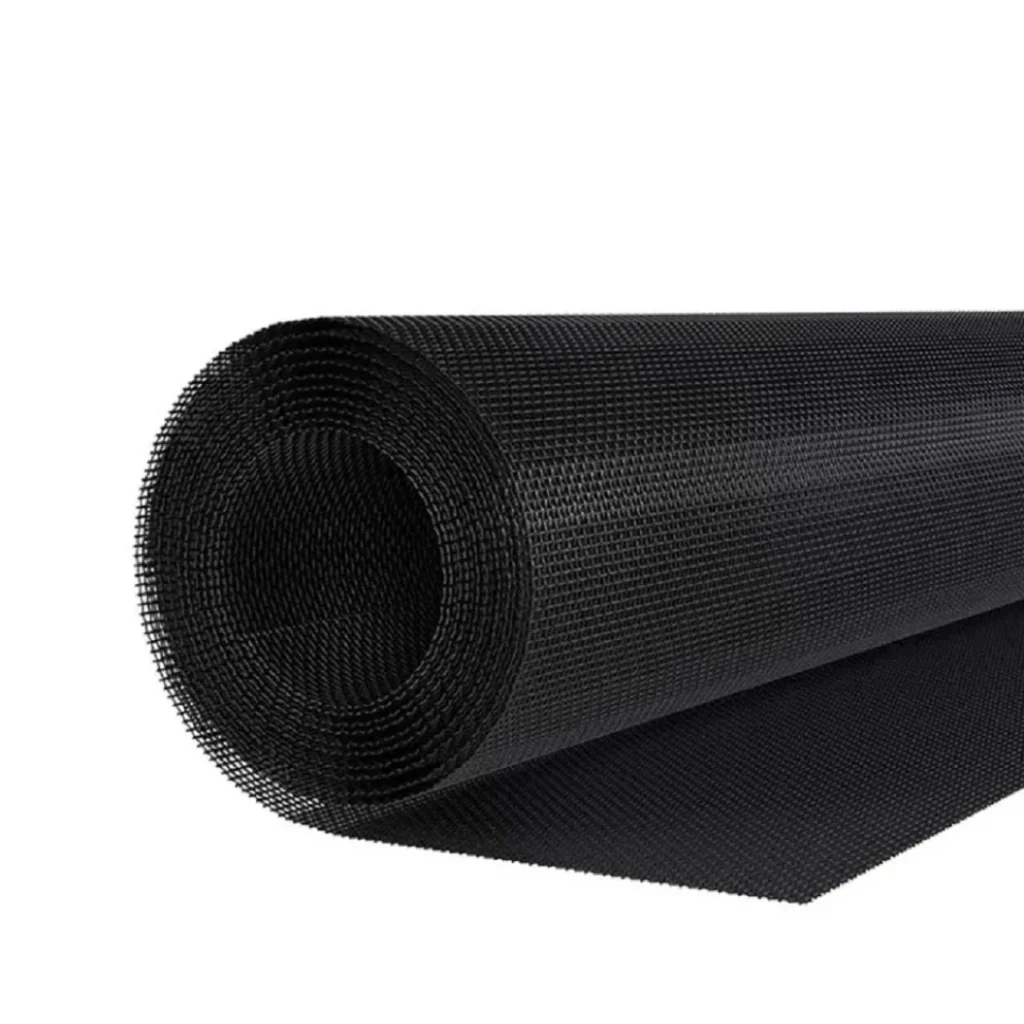
Fupei supplies epoxy coated wire mesh for hydraulic and air filter support applications, with specifications matched to different filter structures and production requirements. The mesh is available with low-carbon steel, aluminum alloy, or stainless steel substrates, with options covering different mesh counts, wire diameters, coating colors, and roll widths. Standard mesh specifications include 16×16 to 30×30 mesh counts, 0.15–0.30 mm wire diameters, and roll widths from 0.58 m to 1.25 m, with custom specifications available.
Match the Mesh to Your Filter
For hydraulic filter applications, the mesh specification needs to match the media, pleat structure, element dimensions, and operating conditions. Fupei can review requirements such as filter-media type, mesh count, wire diameter, element diameter, pleat configuration, roll width, slit width, and operating environment to help determine a suitable specification.
The epoxy-coated mesh is designed as a structural support layer for pleated filter media, with the cured coating helping stabilize wire intersections during forming and supporting consistent pleat spacing. The product is also tested for oil immersion resistance and salt spray performance for demanding filtration environments.
Processing and Customization Support
Material dimensions and edge quality can affect how smoothly mesh runs through slitting, pleating, and assembly equipment. Fupei provides precision slitting and processing support for filter materials, helping customers obtain mesh in dimensions suitable for their production lines. Its service offering also includes application-driven specification reviews, physical sampling, custom dimensions, and drawing-to-sample workflows for non-standard requirements.
A Broader Filter-Sourcing Capability
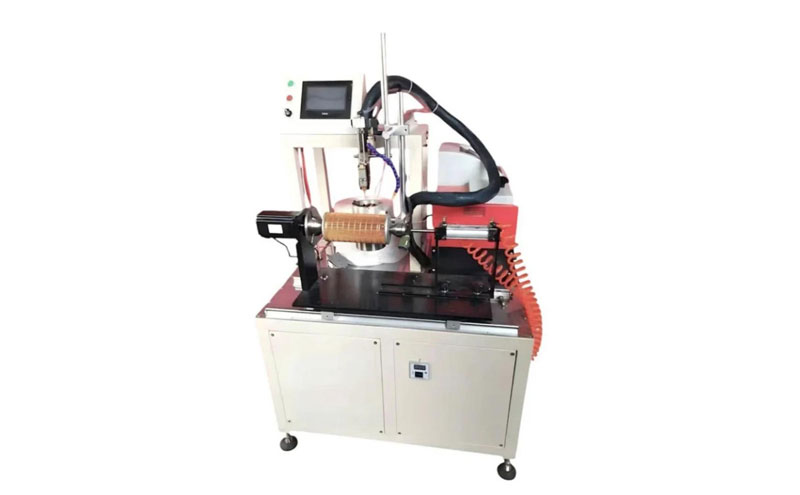
Fupei supplies filter materials alongside filter-making equipment, including pleating, slitting, gluing, mesh processing, and filter assembly equipment. This allows buyers to coordinate material specifications with downstream production requirements when developing or upgrading a filter manufacturing process.
For buyers evaluating epoxy coated wire mesh for hydraulic oil filters, Fupei can provide samples and technical support to help confirm mesh specifications before volume purchasing. Share your filter structure, media type, required dimensions, and production method to discuss a suitable mesh configuration.
What Buyers Should Confirm Before Requesting a Quote
- Filter type and application
- Primary filter-media type
- Mesh function within the element
- Base material, mesh count, and wire diameter
- Roll width, slit width, and roll length
- Pleating direction and filter-element diameter
- Operating fluid and service conditions
- Coating and packaging requirements
- Sample and inspection requirements before volume purchasing
Frequently Asked Questions
Is epoxy-coated mesh the same as the filter medium?
No. In many hydraulic filter designs, epoxy-coated mesh is mainly a structural support layer. The primary filtration work is usually performed by filter paper, glass fiber, or synthetic media.
Can epoxy-coated mesh be used for hydraulic filter elements?
Yes. It is commonly used as a support layer for pleated media in hydraulic filter elements. The suitable specification depends on the filter structure, pressure conditions, fluid exposure, and processing method.
Should I choose epoxy-coated mesh or stainless steel mesh for a reusable filter?
Stainless steel mesh may be more suitable when the mesh itself must be cleaned and reused. The final choice should still consider the filtration requirement, operating fluid, cleaning method, and target service life.
What should I send to a supplier before ordering?
Provide the filter drawing or structure, media type, mesh function, required dimensions, processing method, operating conditions, and expected order quantity. This information supports a more accurate recommendation.
Conclusion
Epoxy-coated mesh and stainless steel mesh can both serve important roles in hydraulic filtration, but they should not be treated as interchangeable materials. Epoxy-coated mesh is often a practical choice for stable support of pleated media, while stainless steel mesh may be more appropriate for direct filtration, corrosion resistance, or reusable designs.
Share your filter structure, required roll dimensions, operating medium, and production method with Fupei to request a suitable mesh specification.